Judy Hughes never wanted the Northbrook Historical Society to be about her…but in so many ways, it was. That’s because Judy Hughes, who died on Dec. 27, herself was a special part of Northbrook history…in so many ways.
First and foremost, Judy loved Northbrook, and she loved the Northbrook Historical Society. The Society became a focal point for her when she joined its board of directors in 1995, and it became her passion when she became president in 1999.
Despite all the challenges involved with leading the all-volunteer organization, one of Judy’s greatest pleasures was simply being at the History Museum on a Sunday afternoon when visitors would drop in and end up giving her a chance to learn about them and their Northbrook connections just by listening.
“Everyone has a Northbrook story,” she would say about virtually everyone she met. That led to the Historical Society being known as “The Keeper of the Stories.” She was a true “people person” — because she knew that is what history really is all about.
Judy’s knowledge of all things Northbrook was amazing. She seemed to know something about everyone or at least something relating to everyone’s family history. She seemed to have information about every building, block, and business in the Village — dating all the way back to pre-Shermerville days. She really was a Northbrook encyclopedia, and her quick and accurate recall of Northbrook families and Village history amazed all who knew her.
Judy and her husband, Mike, moved to Northbrook from Glenview in 1962. The Northbrook Historical Society was formed in 1974, and while 12 people have served as the organization’s president in its nearly 52 years, Judy was president for more than half of those years. She had joined the Historical Society board in 1995, meaning she was a board member for just over 30 years.
As president, Judy worked steadily to transform the Historical Society into being a relevant part of the community and not just viewed as a collection of “blue hairs” (as one village official once described the group) who sat around reminiscing about the past. It was also her goal to bring the Historical Society into the digital age, and her leadership in this area was just beginning to really take effect.
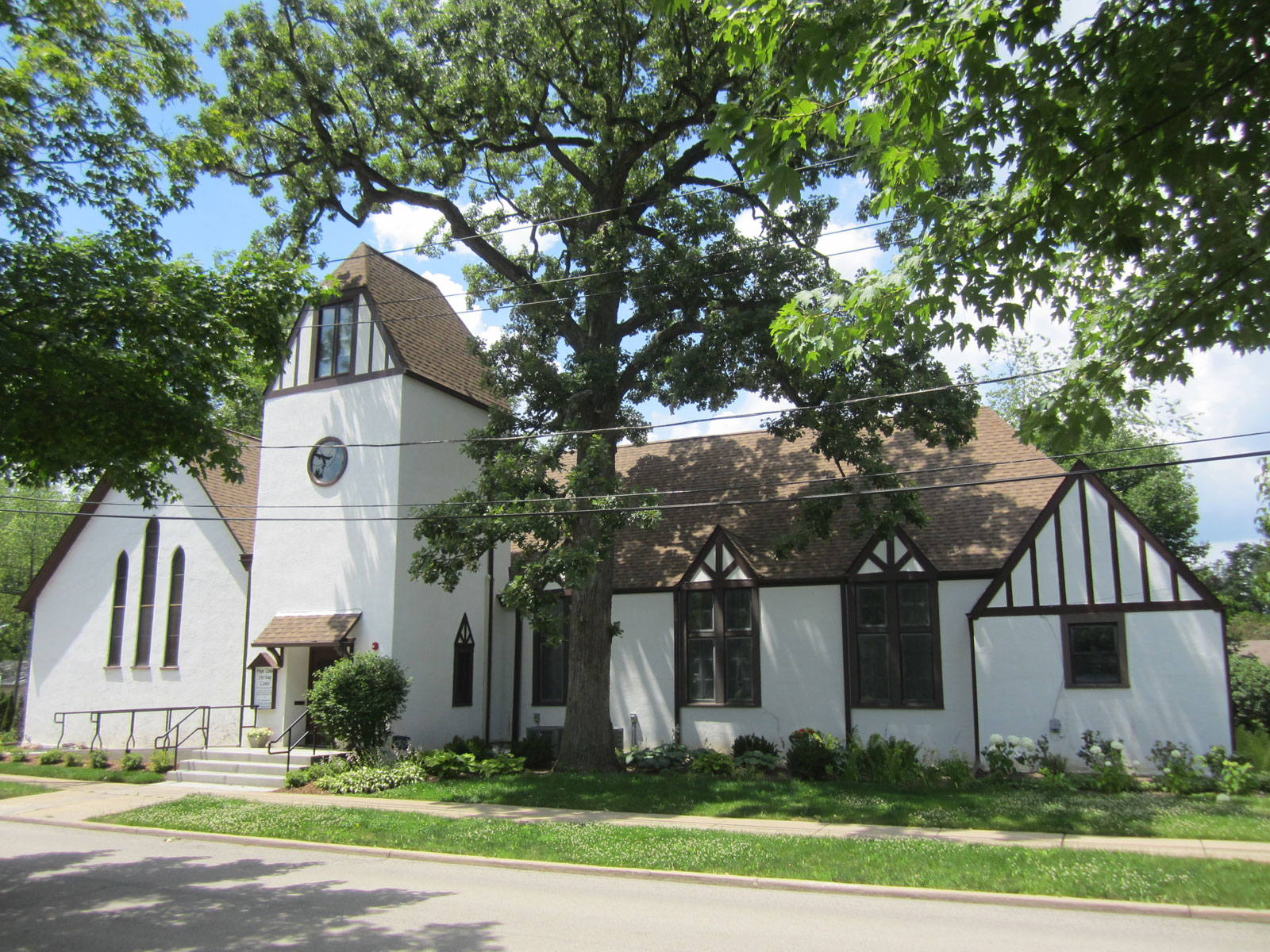
She believed strongly in fiscal responsibility and never wanted the Historical Society to find itself suffering from any financial difficulties. This was especially important in 2015 when the Hope Union Church became available as a gift to the Historical Society. As tempting as it was to jump at the chance to accept the offer immediately, Judy made certain to first establish a number of revenue sources and guidelines for the building’s operation and long-term preservation.
When helping to formulate a Society budget each year, she always aimed to “overestimate expenses and underestimate income.” A few years ago, a project involving one of the Historical Society’s most treasured possessions, the Reiland & Bree truck, was not begun until there was a responsible plan for its restoration and storage.
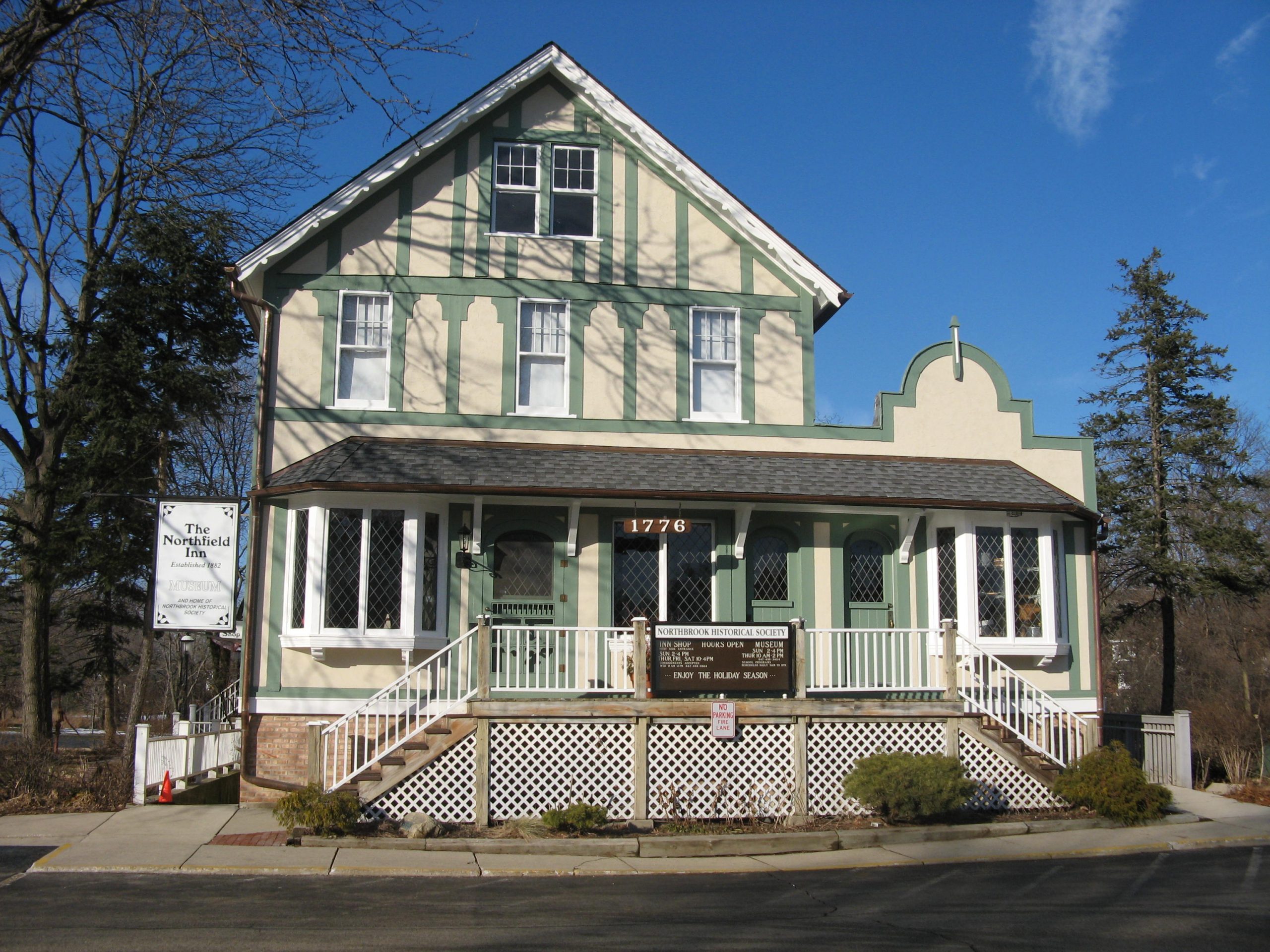
Along this line she also worked to keep both buildings — the Northfield Inn and Hope Union Heritage Center — in top working condition. These belong to all Northbrook residents, she would say, and it was the Historical Society’s responsibility to keep them in good shape.
Judy constantly encouraged young people to take part in Historical Society activities. She felt strongly about continuing the Children’s Program (where she got her start with the Historical Society) and also sought help from young people at most Historical Society events and to help with history research. And she was always on the lookout for younger and more energetic board members.
Along this line, Judy also believed strongly in building partnerships with other Village organizations including the Park District, Village, Library, Woman’s Club, Garden Club, American Legion Post 791, Chamber of Commerce, Rotary, Civic, neighboring historical societies, and so on. Creating those partnerships helped the Historical Society continue to sponsor activities such as Shermerfest, cemetery walks, garden walks, Village tours, and so on.
One key example was a partnership with the Library that led to the “Northbrook Voices” interview series she started in 2011 as a way to preserve forever the memories (in their own words) of some of the Village’s pioneers.
Those partnerships did not just happen, because even before she became involved with the Historical Society, Judy Hughes was a leading example of what community service is all about. “Community service is not done for recognition,” she said soon after receiving a rare Key to the Village in early 2023. ”You do it because you want to give back to your community.”
Judy’s list of community service-related contributions is amazing. She served on the District 28 school board for 14 years including six as president; started the Art in the Park program; served as the first chair of the Northbrook Arts commission from 2002-12, and was a member of many service groups including the Northfield Township Youth Commission, the Rotary Club of Northbrook, the Village’s Downtown Economic and Development Commission, and the Northbrook Caucus. One of her most visible accomplishments was serving as chair of Northbrook’s Centennial Committee that organized the events leading up to the 2001 celebration after years of planning. She also was a writer and author as well as a member and former president of the North Eastern Illinois Historical Council, and a longtime member of the North Suburban Genealogical Society.
But it was the Northbrook Historical Society that most reflected all the passion,
knowledge, energy, and expertise of Judy Hughes.
“When an old person dies, a library burns to the ground” is an African proverb that Judy often recited and definitely believed — referring to the irreplaceable wealth of personal history, wisdom, and cultural knowledge that each person carries.
Northbrook has truly lost an irreplaceable part of its own historical fabric.
Dan Kaye is a Northbrook Historical Society board member.